
So, you’ve heard of SEO (Search Engine Optimization), but when it comes to keyword research, the strategy that drives it all, you might feel unsure where to start. Or you’ve done a little but want to level up. Either way, this guide is built for you.
Whether you’re a small business owner trying to get more eyes on your website, a digital marketer aiming to refine your SEO campaigns, or an SEO expert keeping up with algorithm shifts and AI-driven search changes, this post will give you a deep, practical understanding of keyword research: how it works, why it matters, and how to do it effectively in 2025.
We’ll cover:
- What keyword research is and why it’s critical
- Core elements to consider when choosing keywords
- Types of search queries and user intent
- A step-by-step walkthrough for keyword research
- The best keyword tools on the market
- How to future-proof your keyword strategy for AI tools
By the end, you’ll walk away with a repeatable, resilient keyword research strategy that helps you attract qualified traffic, improve your keyword rankings, and better serve your audience.
What is Keyword Research?
Keyword research is the process of identifying the specific words and phrases people type into search engines like Google, Bing, or YouTube when they’re looking for information, products, or services. But it’s not just about pulling a list of popular keywords.
Done right, keyword research gives you a direct line into your audience’s:
- Needs and problems
- Search behavior and language
- Intent, what they’re hoping to achieve
This insight helps you craft content that resonates, converts, and ranks.
According to BrightEdge’s 2024 SEO statistics, 68% of online experiences begin with a search engine, and 53% of all website traffic is organic (source). That means keyword research isn’t just helpful, it’s essential.
Why is Keyword Research So Important?
Here’s what makes keyword research a non-negotiable part of your SEO toolkit:
1. Traffic Growth. If you’re not targeting keywords your audience actually searches, you won’t rank—and if you don’t rank, you don’t get found. Keyword research helps you identify the terms that matter.
2. Audience Alignment. Using the right keywords means speaking your audience’s language. It’s not just about traffic—it’s about qualified traffic—people who actually want what you offer.
3. Strategic Content Planning. Keywords guide your editorial calendar and SEO roadmap. You can map content to each stage of the funnel—from awareness to decision.
4. Improved Conversions. When your content matches searcher intent, your visitors are more likely to take the next step—whether that’s signing up, calling, or purchasing.
5. Cost-Effective Marketing. Keyword-driven SEO offers long-term ROI without the high cost of paid ads. When you rank, you earn traffic 24/7.
6. Market Research & Trend Monitoring. Tracking keyword volume and variations helps you monitor consumer behavior, product demand, and seasonal shifts.
7. AI Visibility. AI tools like Google SGE, Bing AI, and ChatGPT scrape and summarize well-structured content. Keyword research helps you format content that surfaces in these new SERP features.
Core Elements of Keyword Research
To build a solid keyword strategy, focus on the following elements:
- Relevance. Your keyword should reflect what your content is about—and match what the searcher is hoping to find. Google’s helpful content updates reward content that closely matches user intent.
- Search Volume. Search volume tells you how many people search for a keyword each month. High volume = more potential traffic, but often more competition too.
- Keyword Difficulty (KD). This score, offered by tools like Ahrefs or SEMrush, estimates how hard it is to rank for a keyword based on current competition.
- Search Intent. Ask: Why is someone typing this keyword? Are they researching? Comparing? Buying? Intent comes in four main types (covered below).
- Trends & Seasonality. Interest in keywords can spike or drop based on time of year, events, or industry cycles. Google Trends is your friend here.
- Local vs. Global. If you serve a specific location, you’ll want to target local keywords—like “best sushi in Austin” vs. just “best sushi.”
Understanding Types of Search Queries (And Why They Matter)
Not all keywords are created equal—and that’s because not all searchers have the same intent. Understanding search intent helps you serve up the right content for the right moment. Generally, search queries fall into four types:
1. Informational Queries. These searches are focused on learning. The person is looking for knowledge, not products—at least not yet. These queries often begin with “how,” “what,” “why,” “where,” or “when.”
Examples:
- “How does solar energy work?”
- “What is keyword difficulty?”
Content to create: Blog posts, how-to guides, explainer videos, infographics, FAQs.
These types of queries are excellent for building top-of-funnel content that attracts awareness and earns backlinks, which boosts your overall SEO authority.
2. Navigational Queries. With these, the user already knows the brand or website they want—they’re just using a search engine to get there faster. They’re essentially using Google like a shortcut.
Examples:
- “Facebook login”
- “Menerva Digital SEO services”
Content to create: Ensure your branded pages are optimized: homepage, service pages, contact pages, and about sections. These searches reflect brand recognition, and it’s critical you “own” your name in the SERPs.
3. Commercial Investigation Queries. Here, the user is researching options. They’re getting closer to making a purchase, but still comparing and evaluating.
Examples:
- “Best email marketing platform for nonprofits”
- “Shopify vs. WooCommerce for small business”
Content to create: Product comparisons, reviews, buying guides, pros-and-cons lists. This is your chance to position your offering as the best solution.
These queries are often high-converting if your content demonstrates clear value and trust.
4. Transactional Queries. The user is ready to act. They’ve done the research and now they want to sign up, download, buy, or book.
Examples:
- “Buy a DSLR camera online”
- “Sign up for Squarespace trial”
Content to create: Product pages, service pages, pricing plans, strong CTAs, checkout optimization.
You want these pages to load quickly, offer a frictionless experience, and provide trust signals such as testimonials, security badges, and contact options.
Pro Tip: Target a mix of all four types. Informational content builds trust and traffic, while transactional content drives conversions.
Also, for better AI visibility (especially Google SGE), include clear subheadings, concise definitions, and FAQ-style questions.

How to Do Keyword Research (Step-by-Step)
Let’s walk through a proven process you can follow.
Step 1: Start With Seed Keywords
Seed keywords are the basic terms related to your business or niche.
Examples:
- For a photography course: “learn photography,” “DSLR tips,” “photography classes”
- For a SaaS tool: “project management software,” “task tracker,” “team productivity app”
These help you brainstorm ideas and plug into keyword tools.
Step 2: Generate Keyword Ideas
Use tools like:
- Google Keyword Planner
- SEMrush Keyword Magic Tool
- Ahrefs Keywords Explorer
- AnswerThePublic
- Ubersuggest
Also explore:
- Google Autocomplete
- “People also ask” results
- Reddit, Quora, and niche forums
Step 3: Expand with Long-Tail Keywords
These are longer, more specific phrases like:
- “best DSLR camera for wildlife photography”
- “how to create a Gantt chart in Excel“
They often have lower competition and convert better.
Step 4: Analyze Keyword Metrics
For each keyword, check:
- Volume: Is there enough interest?
- Difficulty: Can you rank realistically?
- Clicks: Some searches yield no clicks (Google provides the answer instantly), a phenomenon also known as zero-click searches.
- CPC: A high CPC (cost per click) often indicates high commercial value.
Step 5: Map Keywords to Intent
Group keywords by:
- Informational
- Commercial
- Transactional
Then plan your content types accordingly.
Step 6: Analyze the Competition
Use SEMrush or Ahrefs to:
- See what keywords competitors rank for
- Spot gaps in their content
- Understand backlink profiles for ranking pages
Step 7: Build Keyword Clusters
Create groups of closely related keywords to form topic clusters.
Example:
- Parent keyword: “email marketing”
- Cluster: “email marketing strategy,” “email automation tips,” “best email marketing tools 2025”
Use one core page and link to supporting posts.
Step 8: Refine Regularly
Keyword trends evolve. Revisit your research quarterly—track rankings in Google Search Console or via tools like SERanking, Ahrefs, or Moz.
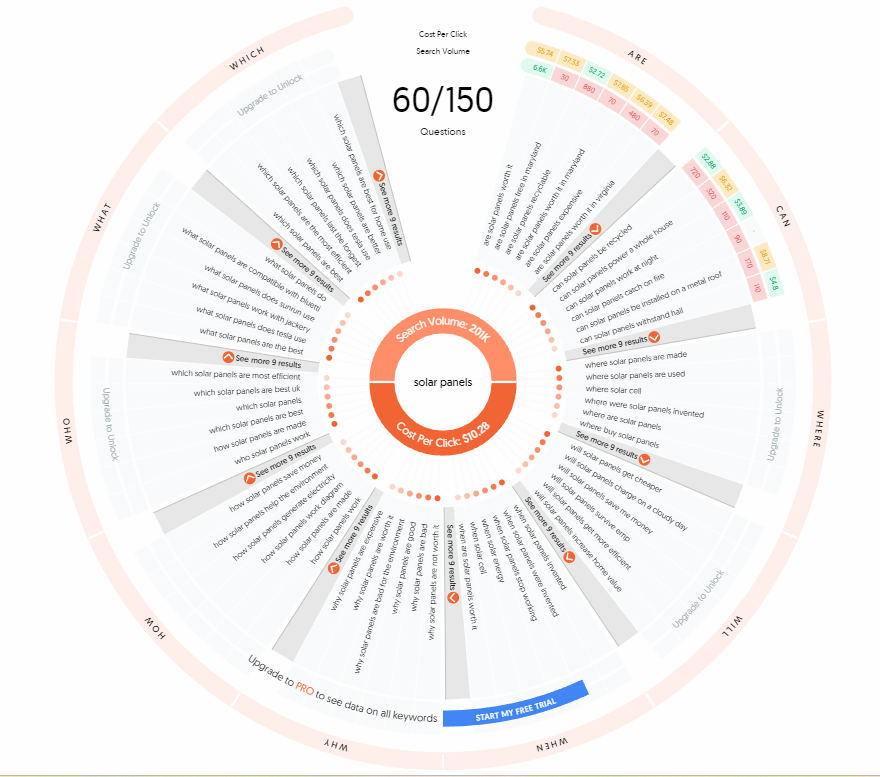
Best Keyword Research Tools (2025 Edition)
Here’s a breakdown of the top tools you can use:
- Google Keyword Planner: Free data, great starting point
- Ahrefs: In-depth competitor research and keyword difficulty
- SEMrush: Versatile all-in-one suite with strong keyword features
- Ubersuggest: Budget-friendly with a clean interface
- AnswerThePublic: Content ideation based on questions
- Keywords Everywhere: Browser extension for quick insights
- Moz Keyword Explorer: Priority scoring and easy navigation
Each tool has strengths. Most SEOs use 2–3 in combination.
How to Choose the Right Keywords for Your Website
Here’s a simple framework:
- Start with Relevance: Does this keyword align with your offering?
- Assess Intent: Will the searcher find your content helpful at this stage?
- Check Feasibility: Can you realistically rank for this keyword?
- Estimate Value: Will ranking drive meaningful traffic or conversions?
- Plan a Content Format: Blog post? Landing page? Video? Choose the right medium for the message.
Also, look for “quick wins”: low-difficulty keywords with decent volume that match your audience.

Optimizing for AI Resilience: Keyword Strategy for the Future
Search isn’t just about blue links anymore. With generative AI summarizing results and users relying on smart assistants, your content needs to:
- Answer questions clearly
- Use natural language
- Follow semantic structure (H2s, FAQs, schema)
- Include concise definitions and examples
By structuring content this way—and basing it on solid keyword research—you increase your chances of being featured in snippets, voice results, and AI overviews.
Final Thoughts: Keyword Research is the Foundation of Good SEO
You can’t optimize what you don’t understand, and keyword research is how you know what your audience is looking for.
It guides content, boosts rankings, attracts quality leads, and builds long-term visibility. And in 2025, it will also help your content appear in new AI-powered search formats.
But let’s be honest, this work takes time. And if SEO isn’t your full-time job, it can get overwhelming fast.
That’s where we come in.
At Menerva Digital, we help businesses build innovative, scalable SEO strategies backed by expert keyword research and up-to-date insights. Whether you’re launching a new site or leveling up your content marketing, our team of SEO experts can help you:
- Identify the right keywords
- Create high-performing content
- Stay competitive in the age of AI search
Are you ready to grow your visibility and rank for the terms that matter? Let’s talk.