
Search engine positioning is your precise position for any given search term, not a ranking. It applies to one search term at a time. If your blog post about budgeting appears third for the search “monthly budget tips,” that is your position for that search phrase.
Visibility Tracking vs. Search Engine Positioning
Your search engine position is a valuable indicator of how competitive your page is and how effective your SEO strategy is for that particular page and keyword. It’s different from visibility or rankings (terms that can mean different things depending on who’s using them; many people say they’re “ranking” if their content appears anywhere on page one). Search visibility typically measures how often your site appears in results and how many clicks it earns overall. It gives you a broad view of performance, but it doesn’t tell you exactly where a specific page ranks for a specific keyword at any given moment.
Search engine visibility is broader. The full-view helps understand your brand and its SEO progress, but it doesn’t explain performance for a single page/query. Search position matters because most people don’t scroll past the first few results. The top two or three positions earn the maximum clicks. If you are at the bottom of page one or further down, you are technically ranking, yes. But you aren’t really in a position to attract traffic. The results above are competing with strong competitors, answer boxes, product grids, and now AI summaries. Knowing where you are helps you understand whether your content is holding its own.
How to Track Search Engine Positioning
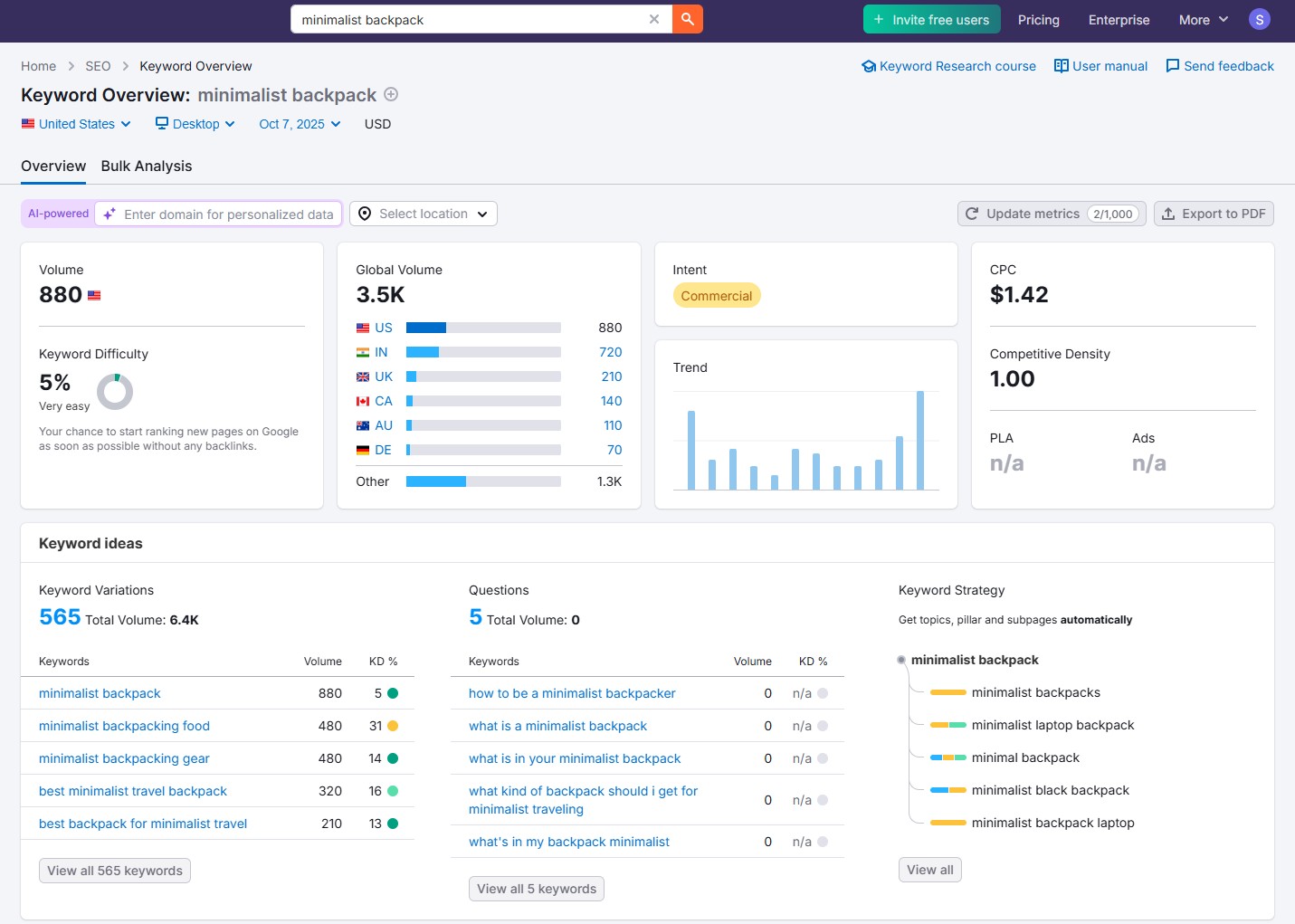
To track your positioning, you’ll need tools that monitor rankings at the keyword level. Google Search Console gives you some of this information. It shows average position by page and by query, though the data is often broad.
For more detailed position tracking, paid SEO platforms like Ahrefs, Semrush, or SE Ranking let you monitor specific keywords and see daily or weekly movement. You can compare your positions with competitors, track performance by location, and monitor how changes to your content affect rankings over time.
If you’re not using these tools, a manual check can still give you some insight. Type the keyword into Google in an incognito browser and see where your content appears. It’s not perfect, but it shows you how your page looks in a clean search environment.
What Affects Your Search Engine Positioning?
Several factors influence where your page lands in the search results. Some you can control. Others depend on the competitive landscape.
- Content relevance. Search engines want to show results that match the query. If your page answers the question clearly and completely, you’re more likely to move up in positioning.
- Search intent alignment. A page might rank poorly if it misses the mark on what people are actually looking for. For example, someone searching for “best CRM tools” is likely looking for a list or comparison, not a single product page or review. Matching your format and focus to the search intent is essential for higher rankings.
- Page structure and usability. Clear subheadings, concise copy, and fast load times all help. Search engines look for well-organized content that’s easy for readers to scan and understand.
- Online authority. Pages with more high-quality backlinks often outrank similar content without them. Internal links help too, especially when you logically connect related content.
- Competition. Even strong content can struggle to rank well in a competitive niche. If ten established sites have written excellent guides on the same topic, breaking into the top spots will take time and strategy.

How to Improve Rankings in Search Results
First, see where you currently stand in terms of ranking. Identify the keywords you currently have ranked for and find out what position each keyword is currently at. Next, find out why a particular page could be stuck in a lower position than another similar page.
If the information is either sparse or old, consider updating it. Consider adding an example, answering additional questions from users searching for the same topic, and confirming whether it matches the user’s search intent. Also, if the layout is unorganized or the page takes too long to load, correct these technical issues.
Also, compare other competitor pages that rank better than yours. What is different about them? Can you clearly see what their titles say? Are there images that add value to the page? Does the introduction provide the most relevant answers to the query? Making small changes to how you structure or present your content will improve your ranking.
Adding a few quality links to a page puts it in the top three results. However, the link must go to a page that already has some strength. Links cannot fix poor content.
When to Focus on Improving Search Engine Positioning
If you are trying to rank for a few important keywords related to your business or service, monitor your exact position closely. A single upward movement can increase click-through and conversion rates.
If you are focusing on providing good content and tracking many long tail keywords, you may not need to worry about the exact position of all of your pages. In this case, watch for trends. Are your “how-to” articles climbing the ranks over time? Is a certain product page continually falling? As a strategic guide, search engine rankings will help you identify where to focus your efforts to improve your website’s performance.
Search Engine Positioning and ROI
While high-ranking positions can generate significant traffic, not all clicks will convert. Rankings alone don’t drive business results—you need to target the right keywords and optimize for conversion. Rankings in themselves do nothing for your business—you need to convert that traffic, and that all starts with optimizing the right keywords.
It is far easier to go after higher-volume, less relevant keywords. A much better fit is to find keywords that reflect real customer interest and demand, which is what you want to rank for if your goal is growth. Offerings that rank here will be the ones your readers find valuable to read, and it’s this group that becomes your clients.
When your content ranks well, you build authority in their eyes for your brand name. They read more of what you write, and start to trust you, and your brand eventually becomes what they come to you for to solve problems.
The Bottom Line
Search engine positioning offers superb insights into performance metrics, providing information about where you stand and what works.
With a little help, you can monitor SERP changes, test improvements, and stay actively engaged as what’s working shifts beneath your feet.
Turn search engine positioning into a dynamic margin that aligns with strategy, content quality, and thoughtfulness, so you can spend less time guessing and more time implementing.
Need help with your SEO strategy? We can help. Contact us today.