
Running a small business can feel like being a small boat in a harbor full of cargo ships. When it comes to getting noticed on Google, those bigger companies have entire marketing teams, deep budgets, and websites that have been around for years. It is easy to look at that and think SEO is out of reach. But here is the reality. You do not need to beat them at their game. You just need to play a smarter one. For small business owners, this often means focusing on what actually drives customers, not chasing vanity rankings. For digital marketers working with smaller brands, it means being more strategic with limited resources. SEO for small companies is not about going after the biggest keywords. It is about focus, trust, and showing up at the exact moment someone is ready to take action.
Stop Trying to Be Everything to Everyone
One of the most common mistakes small companies make is going after broad, highly competitive keywords.
If you run a local coffee shop in Chicago, you are not going to rank for “coffee.” Big brands like Starbucks dominate that space. And even if you could rank, it would not necessarily bring in the right customers.
Instead, focus on what makes your business different and where you operate. This is where long-tail keywords come in.
Think about how real people search. They are not typing “marketing agency.” They are searching for things like “affordable SEO for a small business in Dallas” or “best coffee shop near Wicker Park open late.”
These searches may have lower volume, but they come with higher intent. The person searching already knows what they want.
For small business owners, this means more qualified leads. For digital marketers, it means better conversion rates with less competition.
Claim Your Spot on the Map
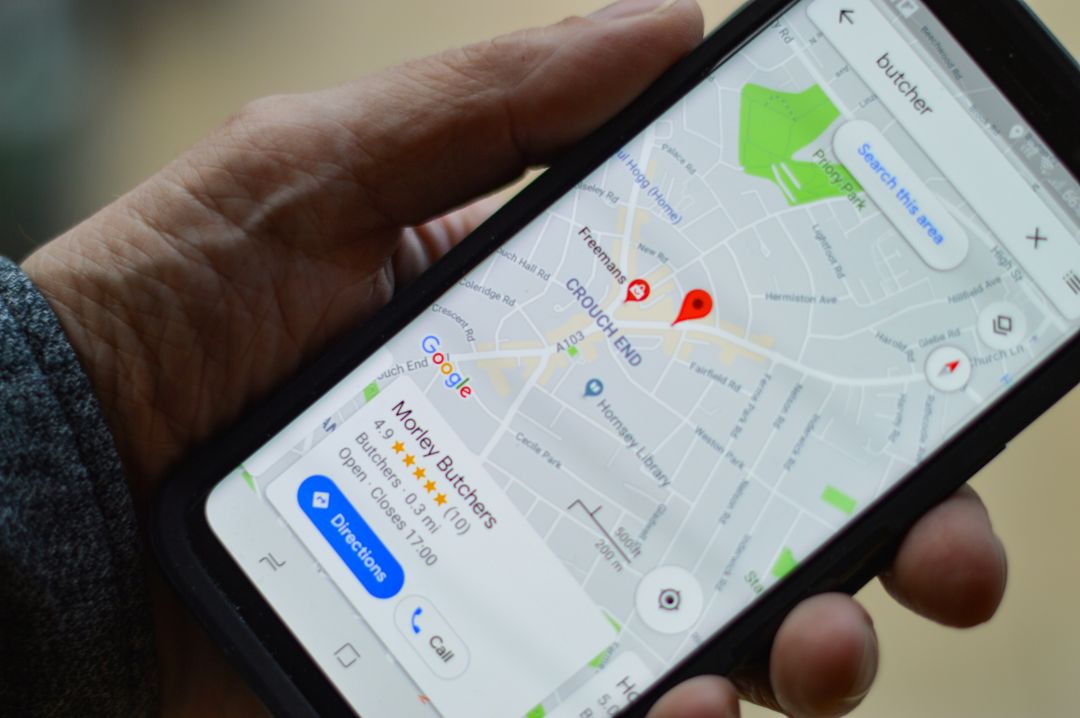
Before you spend too much time trying to rank your website, focus on local SEO. For most small businesses, your Google Business Profile matters just as much, if not more, than your website. When someone searches for a service nearby, Google often shows a map with local listings at the top. That is where attention goes first.
If you are a small business owner, this is one of the fastest ways to get visibility. If you are a marketer, this is low-hanging fruit that is often overlooked.
Start with the basics:
- Make sure your profile is fully filled out
- Keep your name, address, and phone number consistent everywhere
- Add real photos of your business
- Choose the right categories
- Post updates occasionally
And most importantly, get reviews.
According to BrightLocal’s 2025 Local Consumer Review Survey, most consumers still rely heavily on reviews when choosing local businesses. A steady flow of authentic reviews builds trust quickly. It also signals to Google that your business is active and relevant.

Create Content That Actually Helps People
A lot of small companies think content means writing generic blog posts to have something on the site. That approach rarely works anymore. Instead, focus on answering real questions your customers have.
If you are a plumber, write about common repair issues. If you run a marketing agency, explain pricing, timelines, and realistic expectations. For small business owners, this builds trust before someone even contacts you.
For digital marketers, this is how you turn organic traffic into leads. Google has made it clear that helpful, people-first content performs best.
So skip the fluff. Be useful.
Build Authority in Your Niche
You do not need to be the biggest site. But you do need to be credible. Focus on becoming known for a specific area instead of trying to cover everything.
For example:
- A general “fitness tips” blog is hard to rank
- A site focused on “strength training for women over 40” has a much clearer audience
For small business owners, this makes your brand easier to understand. For marketers, it gives your SEO strategy direction. Backlinks still matter, too, but you do not need hundreds overnight.
Start by:
- Partnering with local businesses
- Getting listed in relevant directories
- Contributing insights to industry blogs
- Earning mentions through real relationships
Quality matters more than volume.

Play the Long Game, but Look for Quick Wins
SEO takes time. That part has not changed.
But small companies can still find quick wins along the way.
For example:
- Updating existing pages can improve rankings faster than creating new ones
- Targeting low-competition keywords can bring in traffic sooner
- Improving site speed and mobile usability can boost performance quickly
For small business owners, this helps keep momentum going.
For digital marketers, it helps show progress while building long-term results.
So, Can Small Companies Really Compete?
Yes. But not by copying what big companies do.
They win with scale. You win with focus.
They go broad. You go specific.
They rely on brand recognition. You build trust through relevance and proximity.
For small business owners, this means leaning into what makes your business local and personal. For digital marketers, it means building strategies that prioritize efficiency over volume. SEO is not about having the biggest budget. It is about making smarter decisions with the resources you have.
How Menerva Digital Can Help
If you are a small business owner trying to figure out where to start, or a digital marketer managing SEO with limited resources, having a clear strategy makes all the difference. At Menerva Digital, we focus on practical SEO that actually drives results. That means targeting the right opportunities, building authority over time, and turning search traffic into real business growth. Whether you are competing locally or trying to carve out a niche, we help you focus on what moves the needle without wasting time or budget.