
Search is constantly evolving. Ranking factors change, competitors roll out fresh content, and Google’s algorithms quietly shift behind the scenes. For marketers, SEOs, and small business owners, that constant motion can feel overwhelming, unless you’ve got the right tools to turn that chaos into strategy.
A solid SEO tech stack doesn’t need to be expensive or bloated. You need tools that surface the right data, fit your workflow, and help you take action. Below is a curated list of free and paid SEO tools that do exactly that; no fluff, no trendy platforms you’ll ditch in two weeks, and no one-size-fits-all solutions that don’t deliver.
Free SEO Tools That Still Pack a Punch
Google Search Console
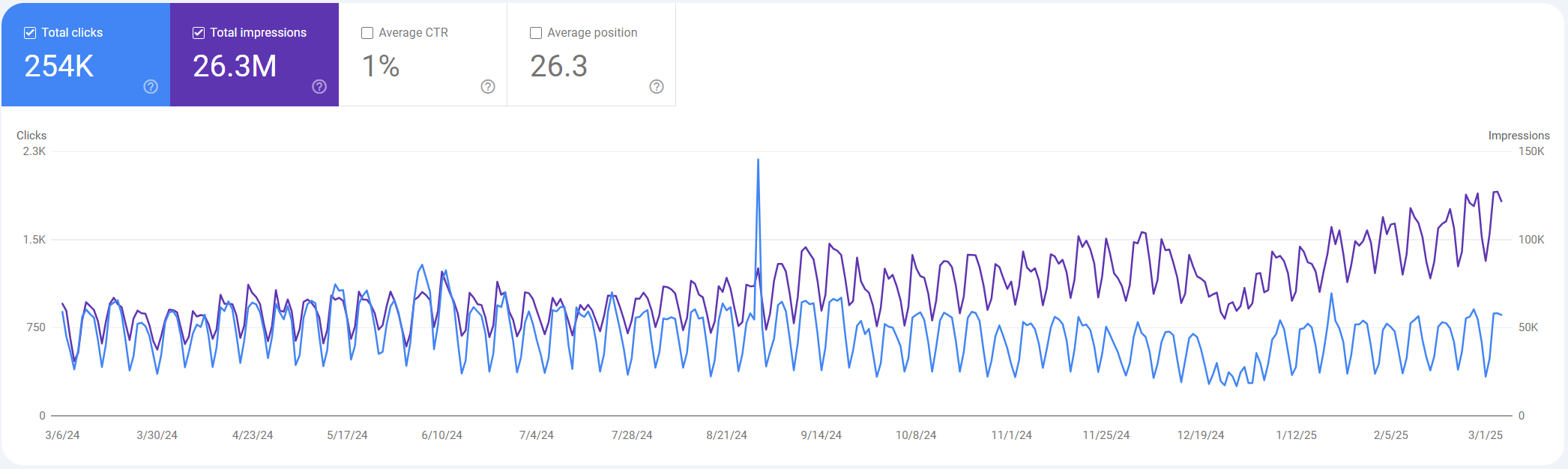
Your direct line to how Google sees your site. Monitor clicks, impressions, indexing issues, and keyword performance. It’s not flashy, but it’s essential.
Use it to:
- Identify top-performing queries and pages
- Fix crawl errors or indexing issues before they hurt rankings
- Submit new content for indexing faster
Google Analytics 4
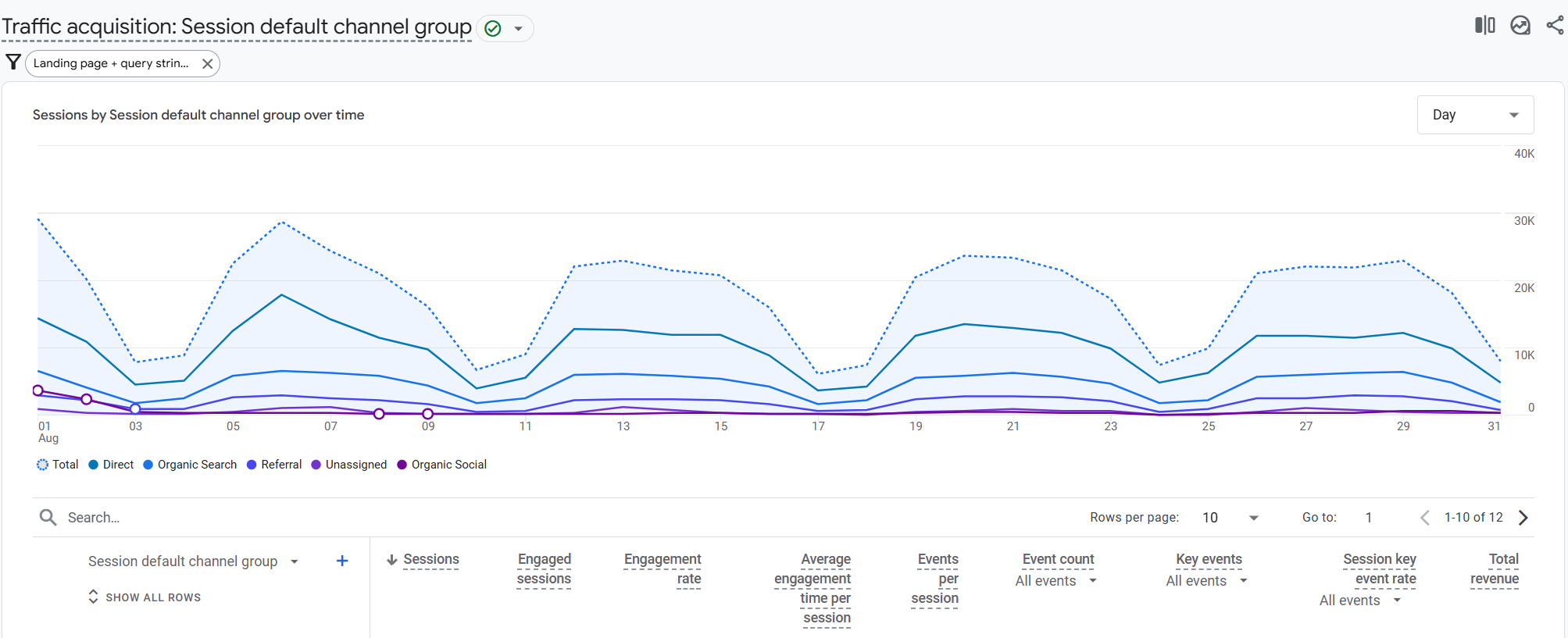
Want to know what happens after someone finds your site? GA4 breaks down traffic sources, user behavior, and conversions. When paired with Search Console, you can connect the dots between search intent and on-site engagement.
Use it to:
- Track organic conversions and bounce rates
- Understand how users move through your site
- Segment by channel, device, or location
Screaming Frog (Free Version)
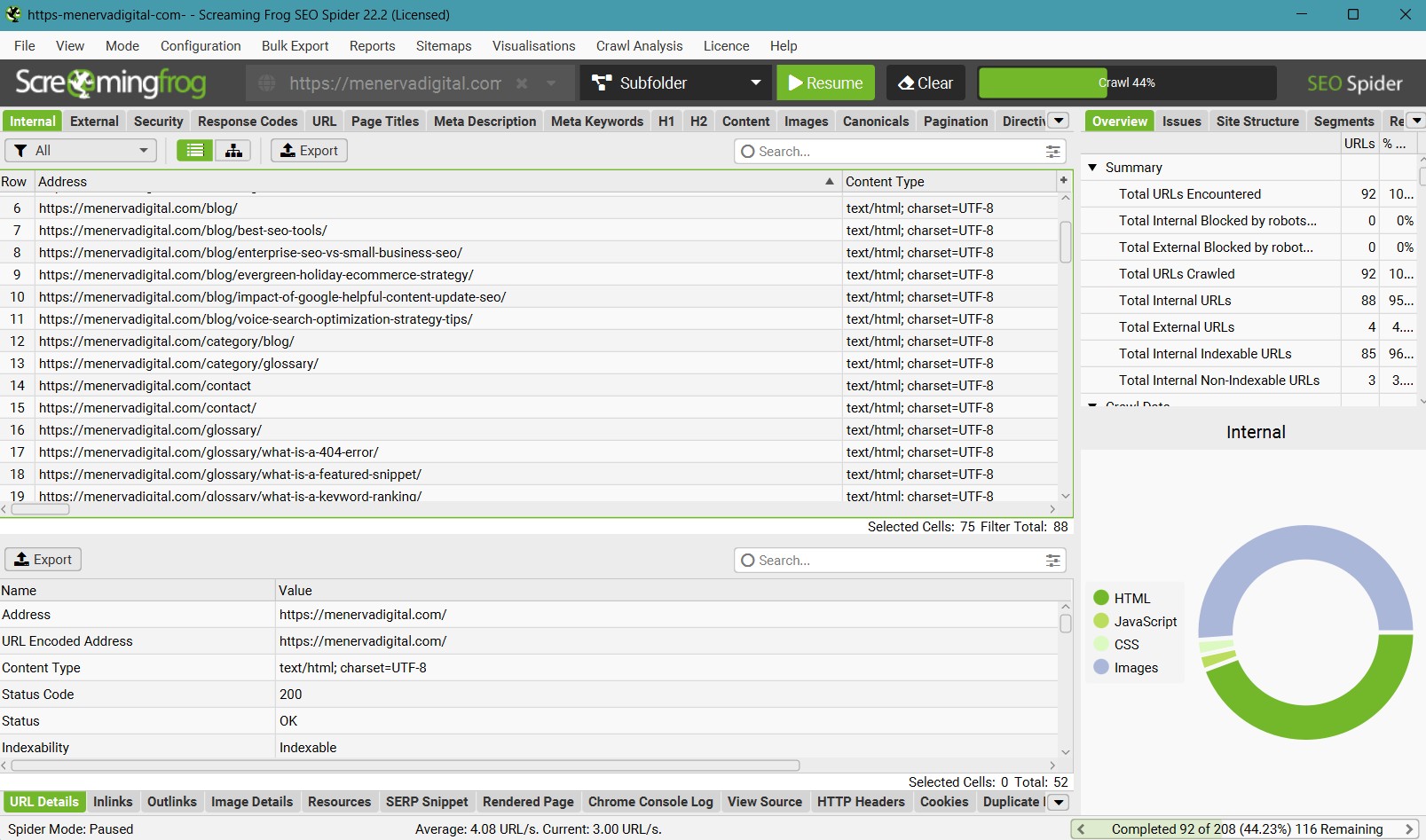
For sites under 500 URLs, Screaming Frog is a powerful desktop crawler that finds broken links, duplicate tags, and redirect issues, fast. Perfect for small sites or quick technical spot-checks.
Use it to:
- Find and fix SEO-killing technical errors
- Analyze meta titles, descriptions, and headings in bulk
- Visualize site architecture with crawl diagrams
AnswerThePublic
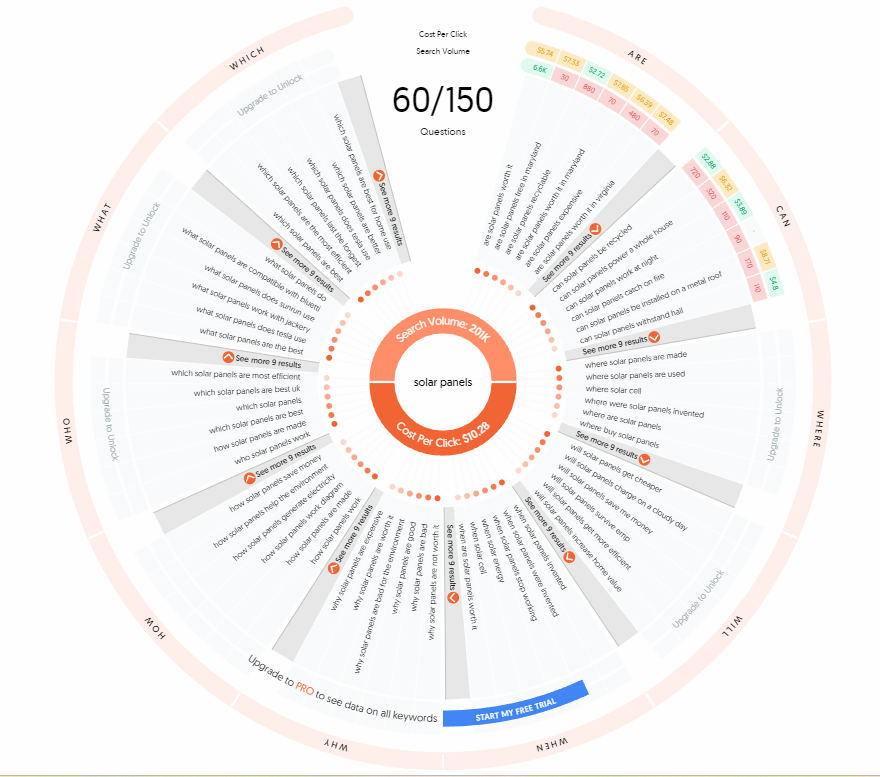
Enter a keyword and get a visual map of related questions people are asking. Great for brainstorming blog ideas, FAQs, and voice-search-optimized headers.
Use it to:
- Create content that answers real-world search questions
- Surface long-tail keyword opportunities
- Align content with conversational, AI-style queries
Schema Markup Validator
Structured data is key for rich results and AI-generated SERP features. This free tool validates your JSON-LD or Microdata to ensure everything’s compliant with Google’s guidelines.
Use it to:
- Troubleshoot invalid or incomplete structured data
- Preview how your schema-enhanced listings will appear in SERPs
- Support eligibility for rich results like FAQs, reviews, and events
Paid SEO Tools Worth the Investment
Semrush
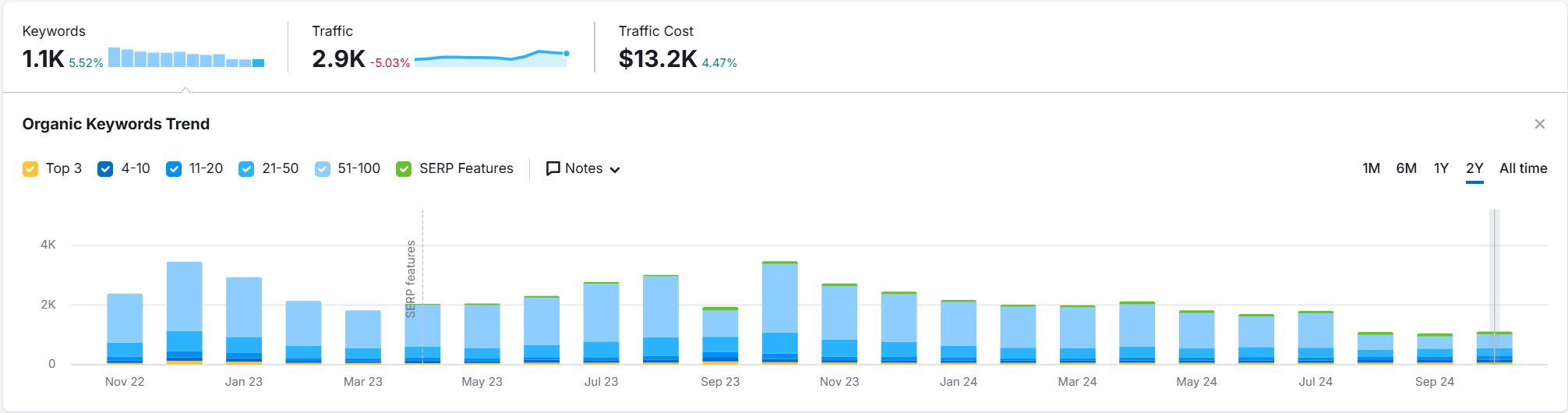
From keyword research and backlink tracking to site audits and competitive gap analysis, Semrush is a true all-in-one platform. The learning curve is real, but so is the depth.
- Best for: Agencies or teams that need data, automation, and reporting in one place.
- Watch out for: Steep pricing for additional users or heavy API usage.
- Pro tip: Use Semrush’s SEO Content Template to generate outlines based on top-ranking competitors and their semantic keyword usage.
Ahrefs
Still, the industry gold standard for backlink data. Its SERP history insights, Content Gap tool, and intuitive UI make it a favorite for competitive research.
- Best for: Link building, keyword analysis, and historic SERP tracking.
- Watch out for: Limited functionality on lower-tier plans and no free version.
- Pro tip: Use the “Top Pages” and “Content Explorer” features to reverse-engineer what’s earning links in your niche.
Screaming Frog (Paid License)
The premium version unlocks unlimited crawling, JavaScript rendering, scheduling, and advanced custom extraction. It’s the go-to for technical SEO specialists.
- Best for: Enterprise audits, migrations, and large-scale SEO projects.
- Watch out for: Desktop-only; can be resource-heavy during large crawls.
- Pro tip: Combine it with Google Sheets and Looker Studio for custom audit dashboards.
Surfer SEO
Combines NLP guidelines with real-time SERP data to produce content outlines and on-page optimization scores. It’s like a GPS for SEO writers.
- Best for: In-house content teams or freelancers working at scale.
- Watch out for: It can lead to keyword stuffing if you chase the score too literally.
- Pro tip: Use the Audit feature on existing blog posts to fine-tune content that’s stuck on page two.
Clearscope
Offers clean, AI-backed recommendations without overwhelming editorial teams. Easy to use and ideal for brands that want to marry SEO with a strong voice.
- Best for: Agencies and editorial teams that prioritize clarity and readability.
- Watch out for: Pricing increases quickly as document volume scales.
- Pro tip: Upload published URLs to optimize live content without rebuilding pages from scratch.
How to Choose the Right SEO Stack
You don’t need every tool on this list. Most high-performing teams rely on a combo like:
- One all-in-one platform (Ahrefs or Semrush)
- One technical crawler (Screaming Frog)
- One content optimizer (Surfer or Clearscope)
- Free tools for diagnostics and ideation
The best SEO toolset is the one your team will actually use, and understand. Don’t pay for features you’ll ignore or dashboards you won’t check.
Why Your Toolset Matters More Than Ever
As AI overviews, zero-click results, and conversational search reshape the SERP, precision and agility are everything. You need tools that:
- Spot shifts in query intent
- Track how competitors are moving
- Surface opportunities before rankings dip
- Optimize content for AI-powered snippets and voice search
Content optimization tools help you produce content that satisfies both readers and search engines. Technical tools keep your site healthy and crawlable. Competitive tools help you stay one step ahead.
Together, they form the foundation of a future-proof SEO strategy.
Need Help Building Your SEO Stack?
At Menerva Digital, we help brands cut through tool overload and select platforms that match their goals, resources, and workflows. Whether you’re scaling up, cleaning house, or starting fresh—we’ll build a lean, high-impact SEO toolkit that supports long-term growth. Contact us today for a custom tech stack strategy that aligns with your business goals—and adapts as search continues to evolve.