Updated on October 7, 2025
If you’re running an online store, there’s one thing you probably know already: it isn’t quiet out there. Between ad fatigue, rising Customer Acquisition Cost (CAC), and constant algorithm changes, getting people to your site isn’t as simple as “build it and they will come.”
That’s where ecommerce SEO steps in. It’s not just a marketing buzzword; it’s how innovative brands build long-term visibility, trust, and sales. And the best part? You don’t need to be an expert in search engines to get started. You just need to understand how real people search, what Google actually cares about, and how to build a site that earns attention.
At Menerva Digital, we work with ecommerce brands that want to do more than keep up. They want to win. That’s why we’ve put together this guide with practical, no-fluff advice that you can actually use to take your ecommerce SEO to the next level.

So What Is Ecommerce SEO, Really?
Ecommerce SEO is how you make your online store more visible in organic (aka unpaid) search results. That could mean showing up when someone searches “minimalist leather backpack,” “best gifts for plant lovers,” or “Bluetooth speaker under $100.”
The goal? Get in front of people who are already looking to buy something you sell.
Unlike paid ads, which disappear when the budget runs out, organic SEO compounds over time. Done right, it consistently sends traffic to your site day after day, without requiring additional spending. It’s a long-term strategy that, when nurtured, can bring significant benefits to your ecommerce business.
Start with Keywords That Actually Drive Sales
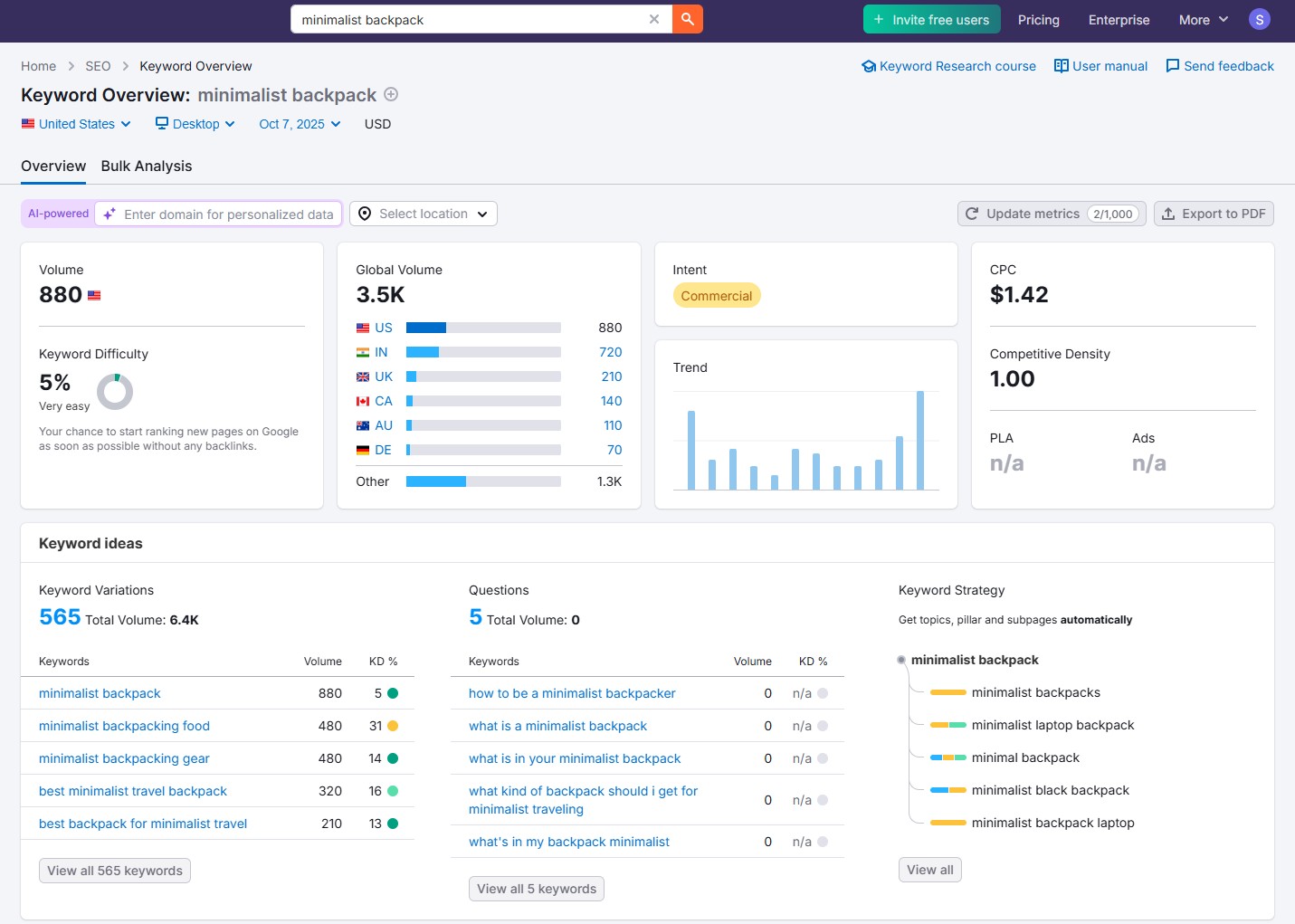
Let’s skip the generic advice. Keyword research isn’t just about volume. It’s about finding the words your customers actually use when they’re ready to buy.
Use tools like Ahrefs, SEMrush, or even just the autocomplete suggestions on Google. Look for:
- Long-tail keywords with clear intent (like “non-toxic dog shampoo for allergies”)
- Phrases your competitors rank for but you don’t
- Questions people ask before making a decision
Also, think about intent. “Best trail running shoes for flat feet” isn’t just a phrase, it’s a problem waiting for your product to solve.
Make Every Page Work Harder
Product and category pages shouldn’t just exist. They should sell.
Here’s how to make them do more:
- Write product descriptions that speak like a human, not a factory label
- Add high-quality images and videos to show the product in action
- Use keywords naturally in your title tags, descriptions, and H1s
- Answer real customer questions right on the page
And for category pages, don’t just list products. Add a few lines of helpful content at the top that give context, answer FAQs, or link to bestsellers.
Also, ensure your site loads quickly and looks great on mobile devices. More than half of your traffic is likely coming from a mobile device.
Don’t Sleep on Technical SEO
Technical SEO may sound intimidating, but it’s essentially the foundation that enables Google to crawl and understand your site.
Things to check:
- Pages load fast (especially on mobile)
- Internal links work and make sense
- Your site has a sitemap and isn’t blocking Google
- Add Schema markup to show prices, reviews, and stock levels
Tools like Screaming Frog, Sitebulb, and Google Search Console can help you identify any issues before they become a bigger problem.

Add Content That Answers Real Questions
Blog posts aren’t just for thought leadership. They’re a goldmine for bringing in new traffic, mainly if you sell products that solve a specific problem.
Let’s say you sell cold brew coffee makers. A blog titled “How to Make Cold Brew That Doesn’t Taste Like Dirt” will attract people in research mode. Then you can link to your best-selling brewer.
Other content ideas:
- Comparison posts (“Glass vs. Stainless Steel French Presses”)
- Gift guides by season or occasion
- Product use tips or hacks
- Interviews with customers or creators
Build Trust Off-Site
Off-page SEO is about what people (and search engines) think of your site when they’re not on it.
Trust includes:
- Getting backlinks from reputable sites or blogs
- Encouraging reviews on platforms like Google or Trustpilot
- Collaborating with influencers or brand fans who already have your audience’s trust
If you get mentioned in a holiday gift guide or by a micro-influencer on TikTok, that backlink is doing more than just boosting your SEO, it’s validating your brand.
Tools Worth Your Time
Skip the 20-tab tool overload. These are worth bookmarking:
- Google Search Console: tells you how your pages perform in search
- Ahrefs or SEMrush: for keyword research and spying on competitors
- Screaming Frog: for site audits and finding broken stuff
- SurferSEO: to optimize content for what’s already ranking
Watch How AI and LLMs Are Changing the Game
If you haven’t noticed, the search results page is no longer what it used to be.
Thanks to Google’s AI Overviews and tools like ChatGPT, people are getting answers directly in search, sometimes without even needing to click. So your content needs to:
- Be well-structured and answer questions clearly
- Use schema markup so AI tools can pull key info
- Show you know your stuff (topical depth matters more than ever)
Want more on this? Check out our post on how AI Overviews are reshaping search.
Last Thing: SEO Takes Time, But It Builds Momentum
Ecommerce SEO isn’t a quick win, it’s a growth channel. It stacks. The blog you write today could still be bringing in buyers six months from now.
Keep an eye on:
- Keyword rankings and movement
- Organic traffic by page
- Bounce rates and conversion data from Google Analytics
And keep testing. Update your old product pages. Try new content angles. See what sticks.
Need a Hand?
If all this sounds great but overwhelming, that’s where we come in. At Menerva Digital, we specialize in ecommerce SEO that meets the moment: technical, content-driven, and future-ready.
We’ll help you build a search strategy that works now and adapts to what’s next.
Let’s talk about how to turn your store into a traffic machine.